

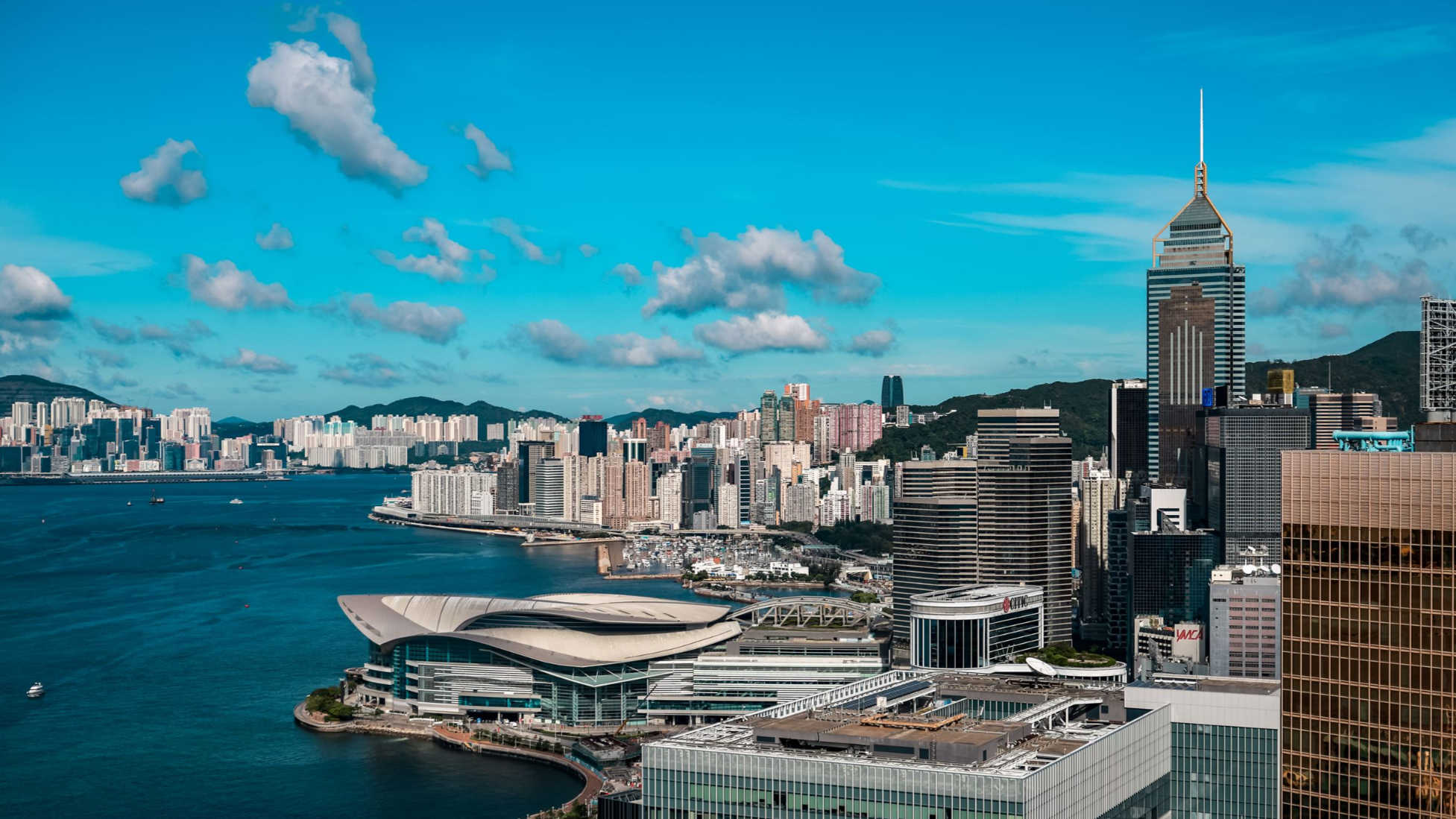
HONG KONG - In 2025, Hong Kong shines with remarkable highlights -- topping the world in IPO fundraising, continuing to be rated the world's freest economy, reclaiming its place among the top three global financial centers, and recording year-on-year GDP growth for 11 consecutive quarters -- testaments to its progress from governance to prosperity.
"Hong Kong's economy is expected to grow 3.2 percent in 2025, slightly higher than earlier forecasts, marking the third consecutive year of growth," Paul Chan Mo-po, financial secretary of the Hong Kong Special Administrative Region (HKSAR) government, said recently.
In 2025, Hong Kong's economy kept improving, with its GDP recording year-on-year growth for 11 consecutive quarters. The third quarter rose by 3.8 percent, the best in over 18 months, showing steady momentum.
READ MORE: HK can absorb anticipated shocks, sustain prosperity
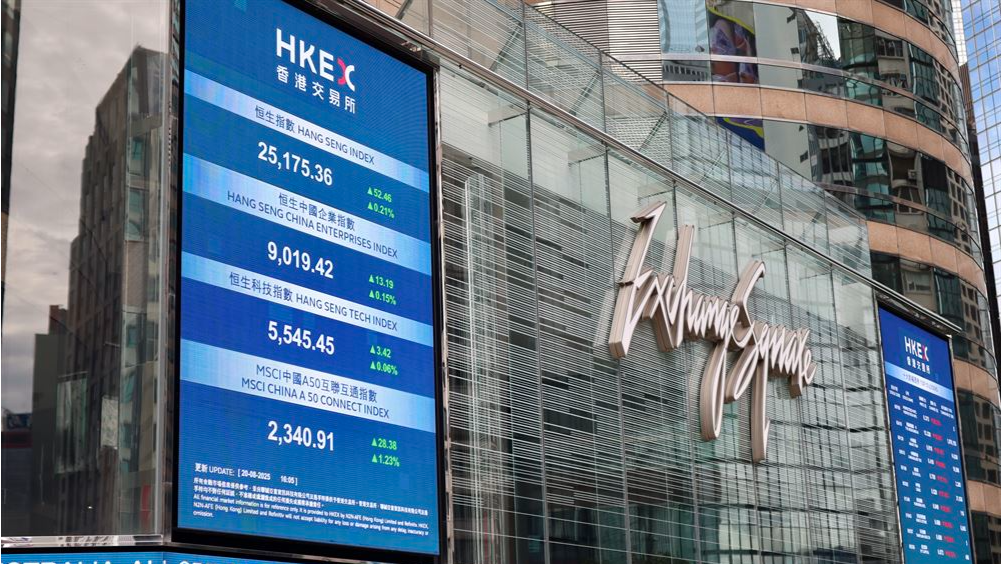
As a financial, trade, and shipping hub, Hong Kong performed strongly. By Dec 19, a total of 106 companies had listed on Hong Kong Exchanges and Clearing Limited (HKEX), raising HK$274.6 billion (about $35.29 billion), ranking first worldwide; total export value rose 13.8 percent year-on-year in the first 10 months; Hong Kong has remained the world's fourth-largest international shipping center for six consecutive years.
The financial market was especially active. By the end of November, market capitalization reached HK$ 48 trillion, up 41 percent year-on-year; average daily turnover in the first 11 months was HK$ 255.8 billion, up 95 percent.
Global authorities reaffirm confidence in Hong Kong -- the financial hub continued to be rated as the world's freest economy; ranked third among global financial centers; rose two places to third in global competitiveness, returning to the top three for the first time since 2019. Its talent ranking also jumped from ninth to fourth, the highest in Asia, while digital competitiveness ranked fourth globally.
"Looking back at 2025, Hong Kong robustly developed the economy, improved livelihoods, and actively aligned with national development strategies to open a new chapter of high-quality growth," HKSAR Chief Executive John Lee Ka-chiu said.
In 2025, Hong Kong accelerated its reforms. The HKSAR government introduced a "Heads of Department Accountability System" to strengthen governance.
Chan Yung, convenor of HKSAR deputies to the National People's Congress and a member of the Legislative Council, said that with firm support from the central government and united efforts of the HKSAR government team and society, Hong Kong has laid a solid foundation for long-term prosperity.

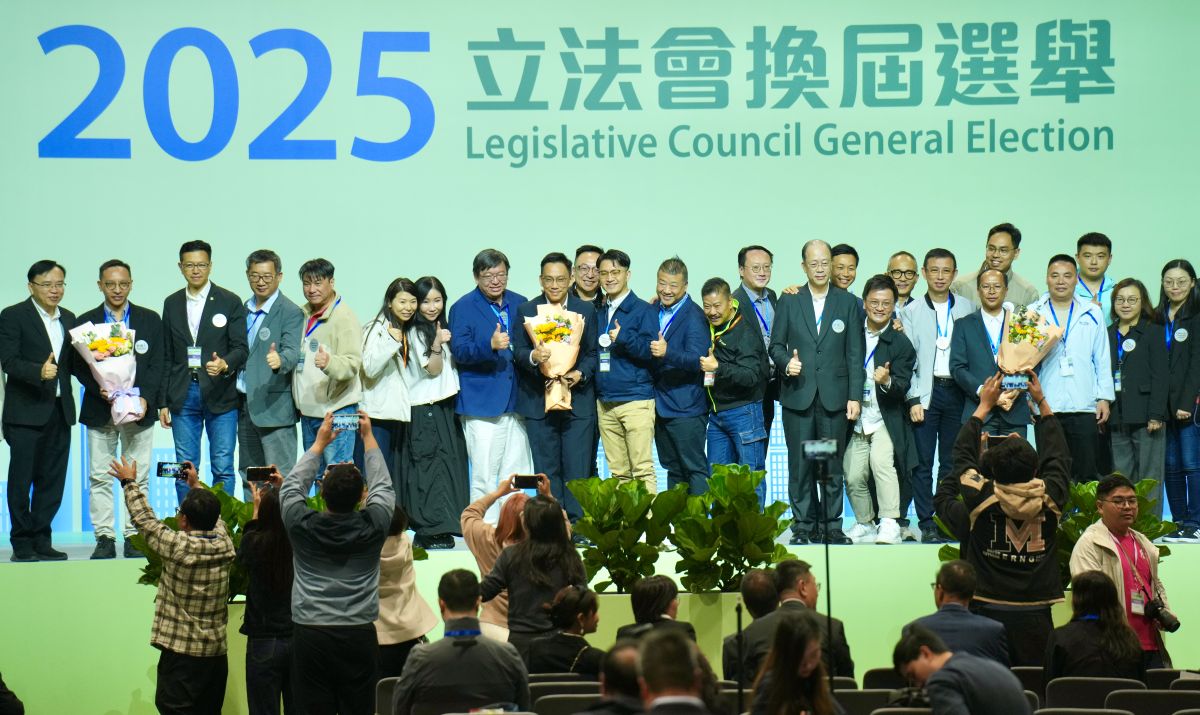
On Nov 26, 2025, a fire broke out at Wang Fuk Court, a residential complex in Hong Kong's Tai Po. Amid this challenge, Hong Kong successfully held the election of the eighth-term Legislative Council on Dec 7, showing voters' determination to support the HKSAR government and legislators in post-disaster recovery and reform.
On Dec 9, current and incoming legislators met with Hong Kong residents. They pledged to handle post-fire recovery well and work with the government to advance reforms, elevate Hong Kong's development, and better serve the city and contribute to the country.
"At the first Legislative Council meeting, the HKSAR government will propose measures to support victims and restore normalcy," said Lee, adding that the new legislators will join the HKSAR government in leading Hong Kong's reforms and shaping the future.
The HKSAR government worked quickly to ease livelihood difficulties. Mr Lo, 76, lost his home in the Tai Po fire, and his family was arranged to move into transitional housing in Yuen Long. "After moving in, I feel much more secure," he said.
Beyond emergency relief, ensuring housing for Hong Kong residents has long been a key focus of the HKSAR government policy.
To address housing issues, Hong Kong's first Light Public Housing project was completed in 2025. Together with faster traditional public housing supply, by September 2025, the average waiting time dropped to 5.1 years, the lowest since the first quarter of 2018.
Housing should provide not only shelter, but also comfort and happiness. For residents in cramped subdivided flats, the Program on Community Living Room was introduced.
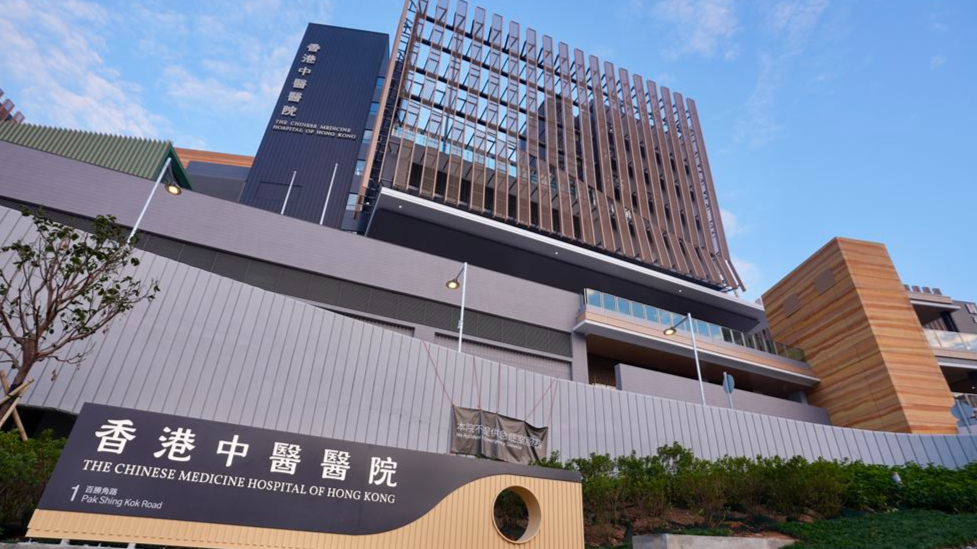
Healthcare is another long-term focus. In the 2025 Policy Address, Lee announced enhancements to healthcare services, which include shortening waiting time for stable new case bookings in the specialty of Surgery, and expanding family medicine clinics for screening and care. On Dec 11, Hong Kong's first Chinese medicine hospital opened, offering more diverse healthcare options.
In 2025, exchanges between Hong Kong and the Chinese mainland grew more frequent across government, society, politics, economy, sports, and culture, with deeper integration.
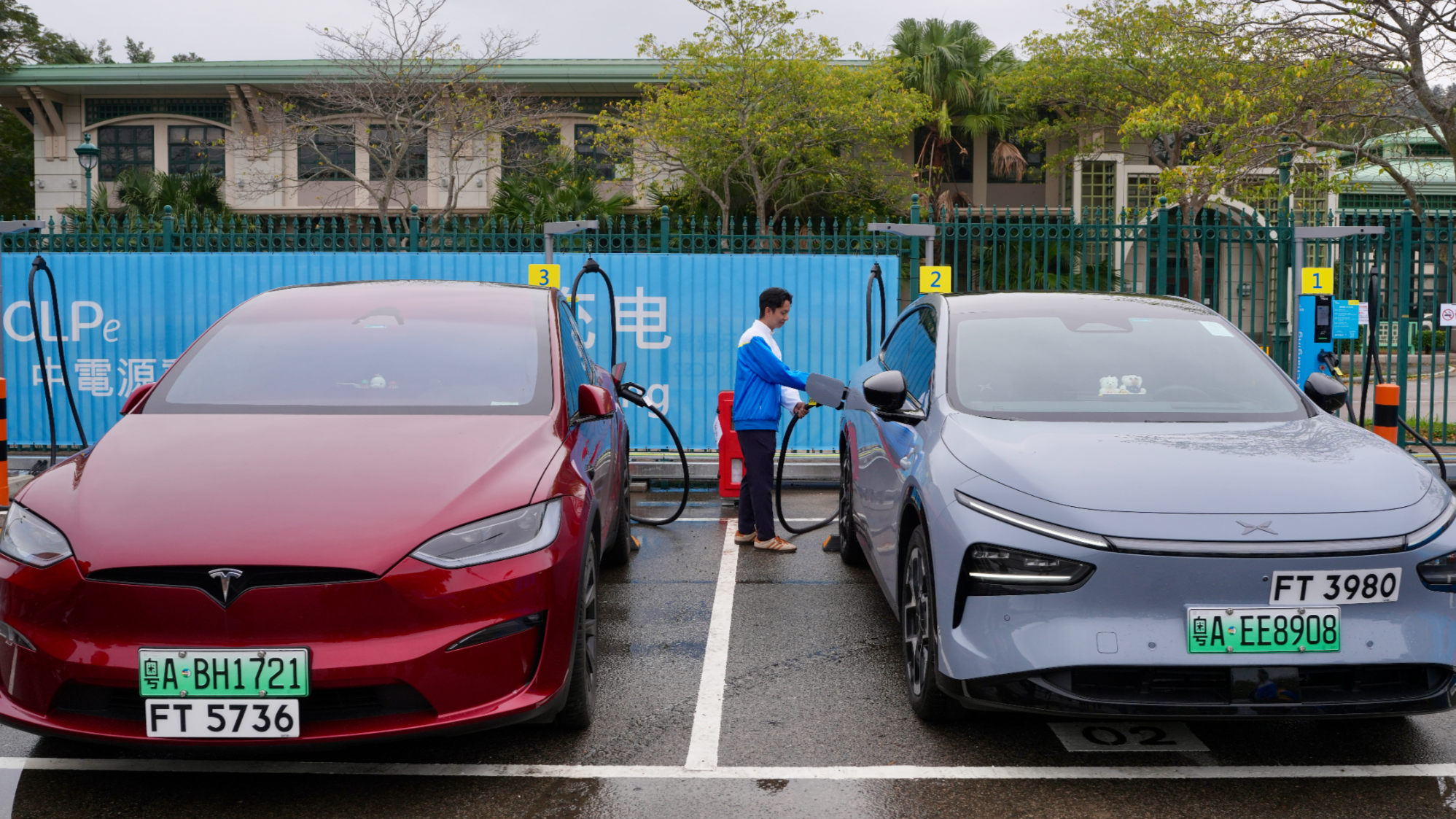
Following the Northbound Travel for Hong Kong Vehicles, the long-awaited Southbound Travel for Guangdong Vehicles scheme took effect on Dec 23, adding new momentum to Guangdong-Hong Kong-Macao Greater Bay Area (GBA) integration.
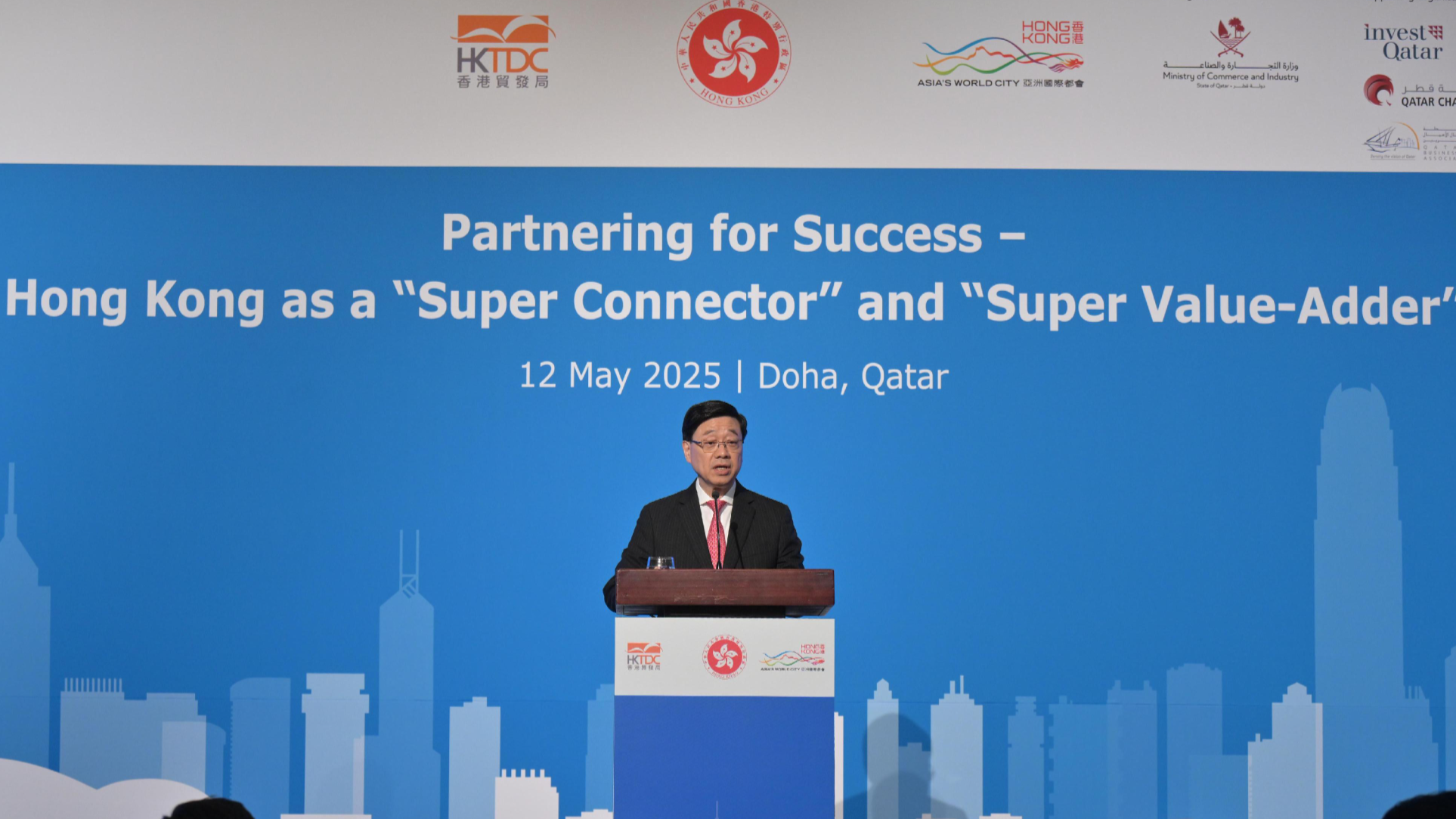
In mid-May, Lee led a trade delegation to Qatar and Kuwait, signing 59 cooperation memorandums and agreements. For the first time, Chinese mainland enterprises joined the delegation, with over 20 entrepreneurs participating.
The Task Force on Supporting Mainland Enterprises in Going Global (GoGlobal Task Force) and the Hong Kong Professional Services GoGlobal Platform were launched on Oct 6 and Dec 13, respectively. Together, Hong Kong and the mainland enterprises entered a new stage of going global.
Hong Kong's young people are also actively engaged with the mainland. Student exchange programs remained popular, with over 80,000 participants in the 2024/25 academic year. Teachers and students gave highly positive feedback.
Pearl, a young gentleman from Thailand, came to Hong Kong four years ago to study computer science. After graduating this summer, he chose to stay and joined a software company. "Hong Kong has good prospects, and that's my solid reason for staying," said the 22-year-old, looking forward to his future.
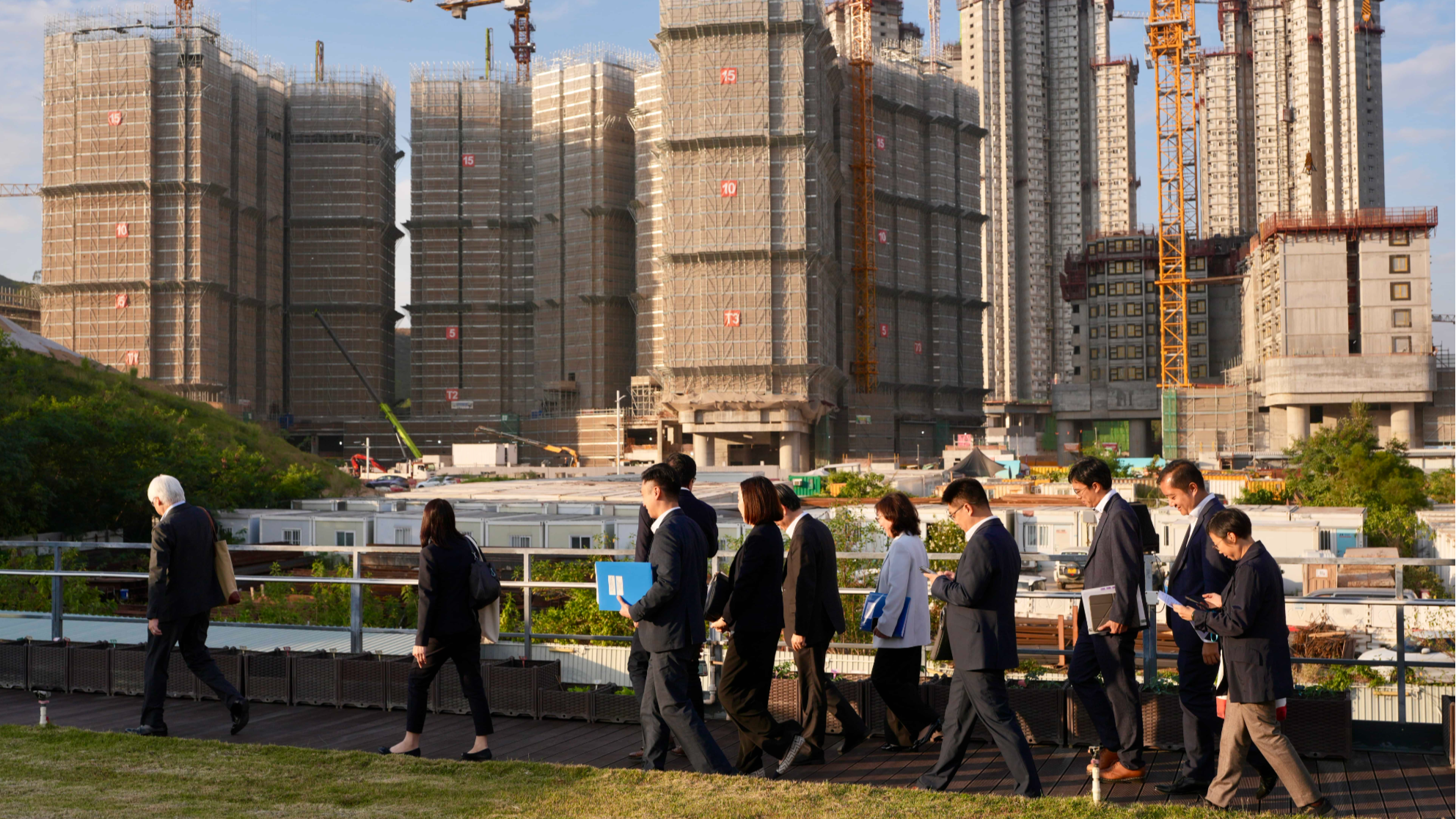
Hong Kong is responding to young people's choices with strong development momentum, especially by accelerating the Northern Metropolis project.
The Northern Metropolis will cover about one-third of Hong Kong's land and future population, becoming a key engine for development, a major platform for the GBA cooperation, and a vital link to national strategies.
In September, a committee for the Northern Metropolis development was established, chaired by the HKSAR chief executive. It aims to raise decision-making levels, simplify procedures, and enact dedicated laws to accelerate progress.
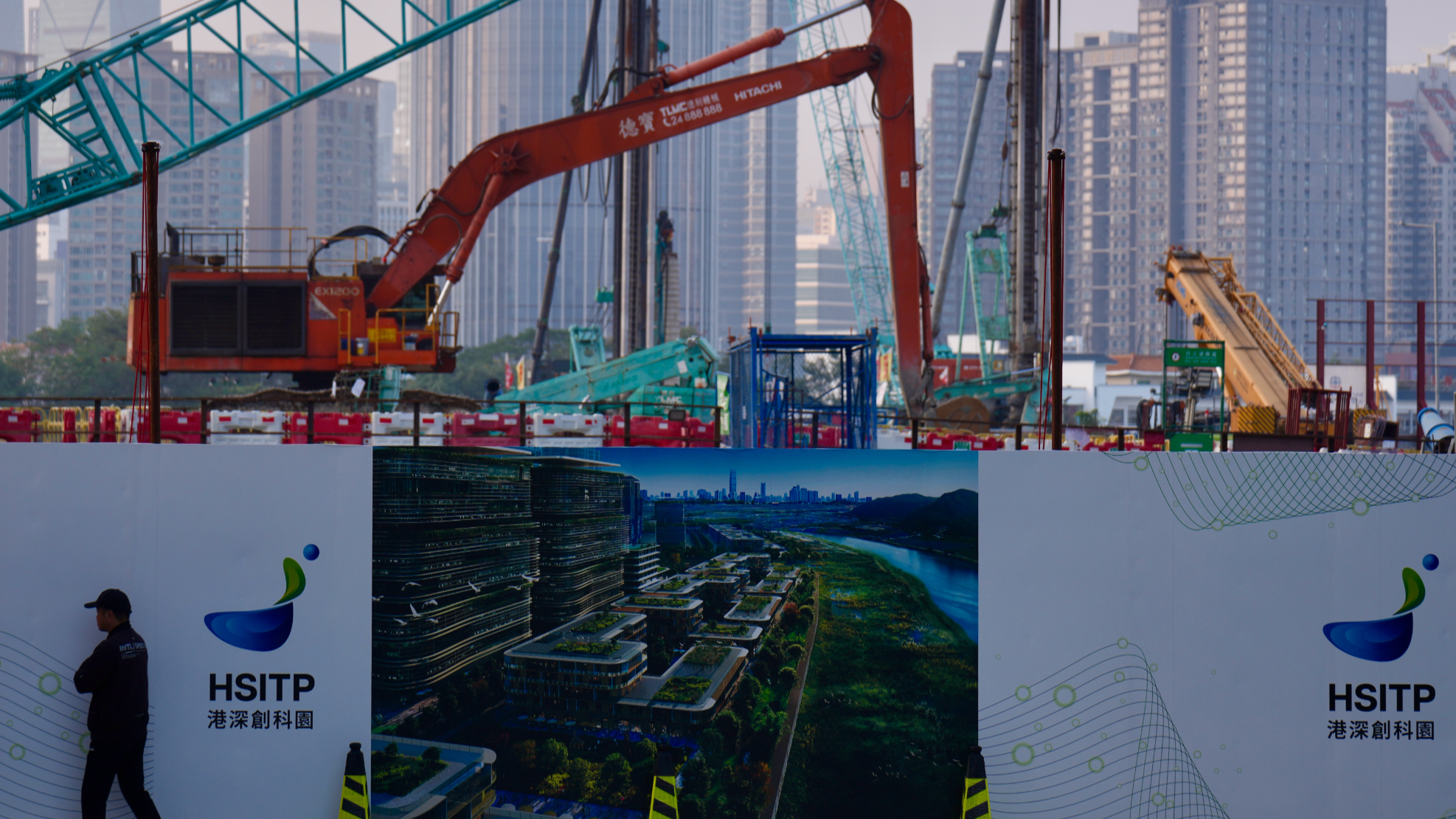
The Hong Kong Park of the Hetao Shenzhen-Hong Kong Science and Technology Innovation Cooperation Zone, together with San Tin Technopole, will establish a new layout of "finance in the south, innovation in the north", driving Hong Kong's future development and industrial transformation, while deeply engaging in GBA construction and national strategies, according to the Hong Kong-based One Country Two Systems Research Institute.
The financial secretary said that 2026 marks the start of China's 15th Five-Year Plan. Hong Kong will align more actively with national strategies, with finance, innovation, and trade as its three key growth engines. "Looking ahead, Hong Kong's economy is expected to maintain good momentum."
READ MORE: HK welcomes GBA integration for future prosperity
"Entering 2026, the HKSAR government will further align with and contribute to the country's overall development, with full commitment to advancing high-quality economic growth," Lee said, expressing his wish for the country's prosperity and Hong Kong's continued success, calling on all to join in creating a safer and better future.
