

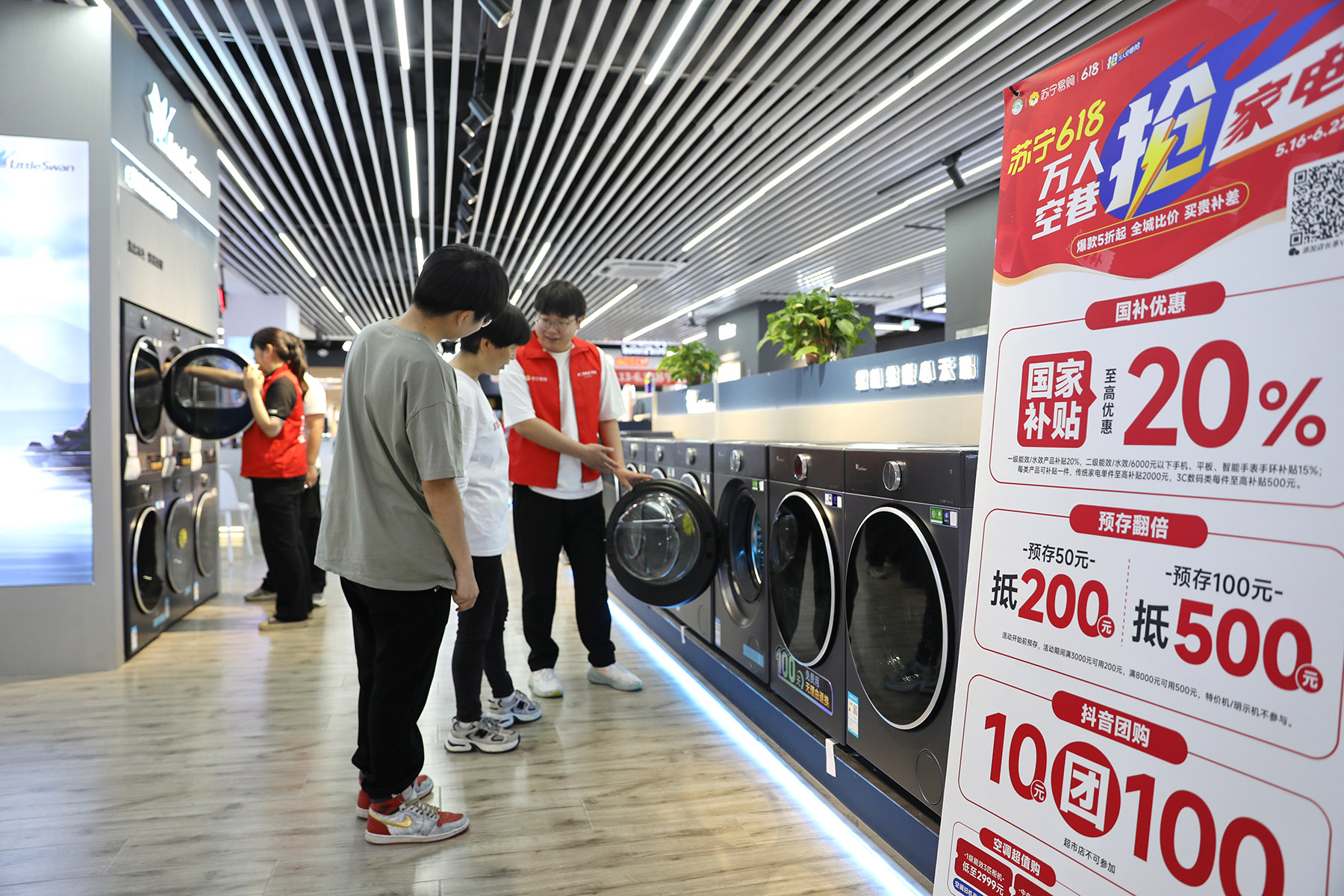
BEIJING - China on Wednesday released detailed policies for its 2026 home appliance trade-in subsidy program, along with incentives for the purchase of digital and smart products, as part of broader efforts to boost domestic consumption.
According to a notice jointly issued by the Ministry of Commerce and other government departments, individual consumers purchasing energy- and water-efficient household appliances will be eligible for subsidies of up to 1,500 yuan ($213) per item.
Eligible products include refrigerators, washing machines, televisions, air conditioners, water heaters and computers, with the subsidy set at 15 percent of the final purchase price after discounts.
The notice also specifies that participating retailers must have the capacity to recycle used appliances and provide integrated services combining the delivery of new products with the collection of old ones.
In addition, subsidies will cover certain digital and smart products, including mobile phones, tablet computers, smartwatches and smart bands, priced at no more than 6,000 yuan each. For these products, the subsidy will be capped at 500 yuan per item.
ALSO READ: Trade-in program likely to continue next year
The authorities also stressed the need to improve coverage in rural areas, particularly in remote regions. Large retail chains, brand stores and specialized outlets are encouraged to expand their services into rural markets through mobile sales vehicles, temporary fairs and other formats.
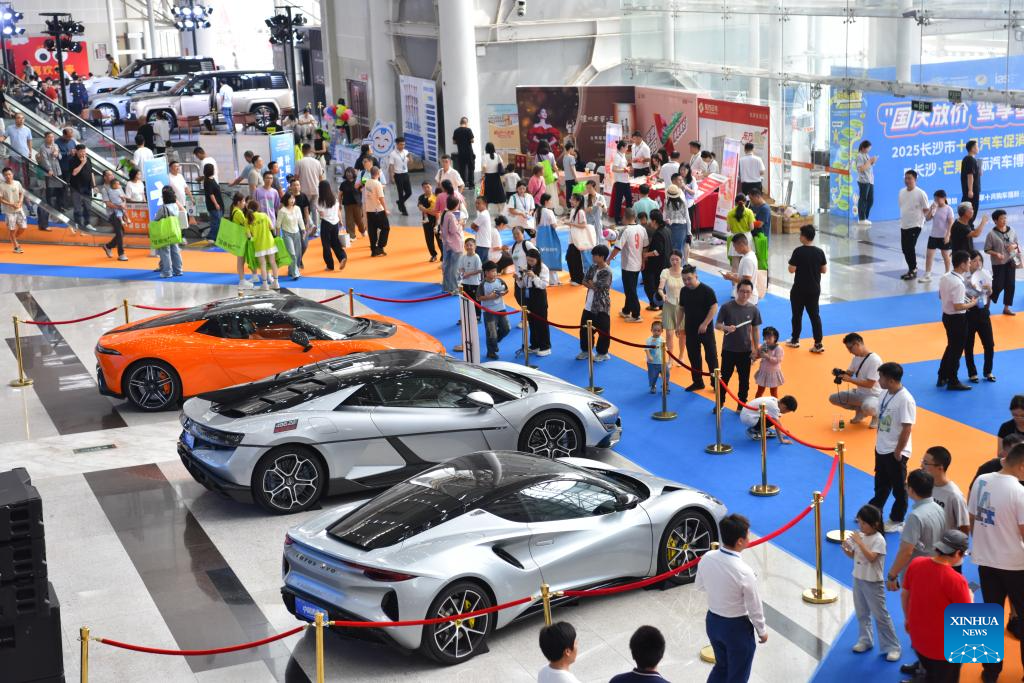
Also on Wednesday, the Ministry of Commerce and other government departments released detailed guidelines for the 2026 auto trade-in subsidy program to sustain support for the automotive market.
Gasoline-powered passenger vehicles will qualify for subsidies if they were registered on or before June 30, 2013. Diesel and other fuel-powered passenger vehicles must have been registered on or before June 30, 2015, while new energy passenger vehicles are eligible if their registration date is on or before Dec 31, 2019.
Consumers who scrap old vehicles and purchase new ones can receive subsidies calculated as a proportion of the new vehicle's price, with the maximum subsidy capped at 20,000 yuan.
China began rolling out subsidies for consumer goods trade-ins in 2024 to boost market confidence and stimulate domestic demand.
The expansion of domestic demand is set to top China's major economic priorities next year, according to the recent Central Economic Work Conference, which also outlined plans to implement consumption-boosting campaigns, as well as plans to increase the incomes of urban and rural residents.
On Tuesday, China's top economic planner said on Tuesday that the country has allocated 62.5 billion yuan ($8.88 billion) in ultra-long special treasury bond funds in advance to support the trade-ins of consumer goods for 2026.
The funds - the first to support the trade-in program for 2026 - were initiated by the National Development and Reform Commission (NDRC) and the Ministry of Finance, the NDRC said.
READ MORE: China intensifies financial support to spur consumption
The move aims to ensure policy continuity and meet surging consumption demand during the upcoming New Year and Spring Festival holidays, the NDRC said, noting that it will guide local authorities to leverage the funds and implement the consumer goods trade-in program in an improved, orderly manner.
