

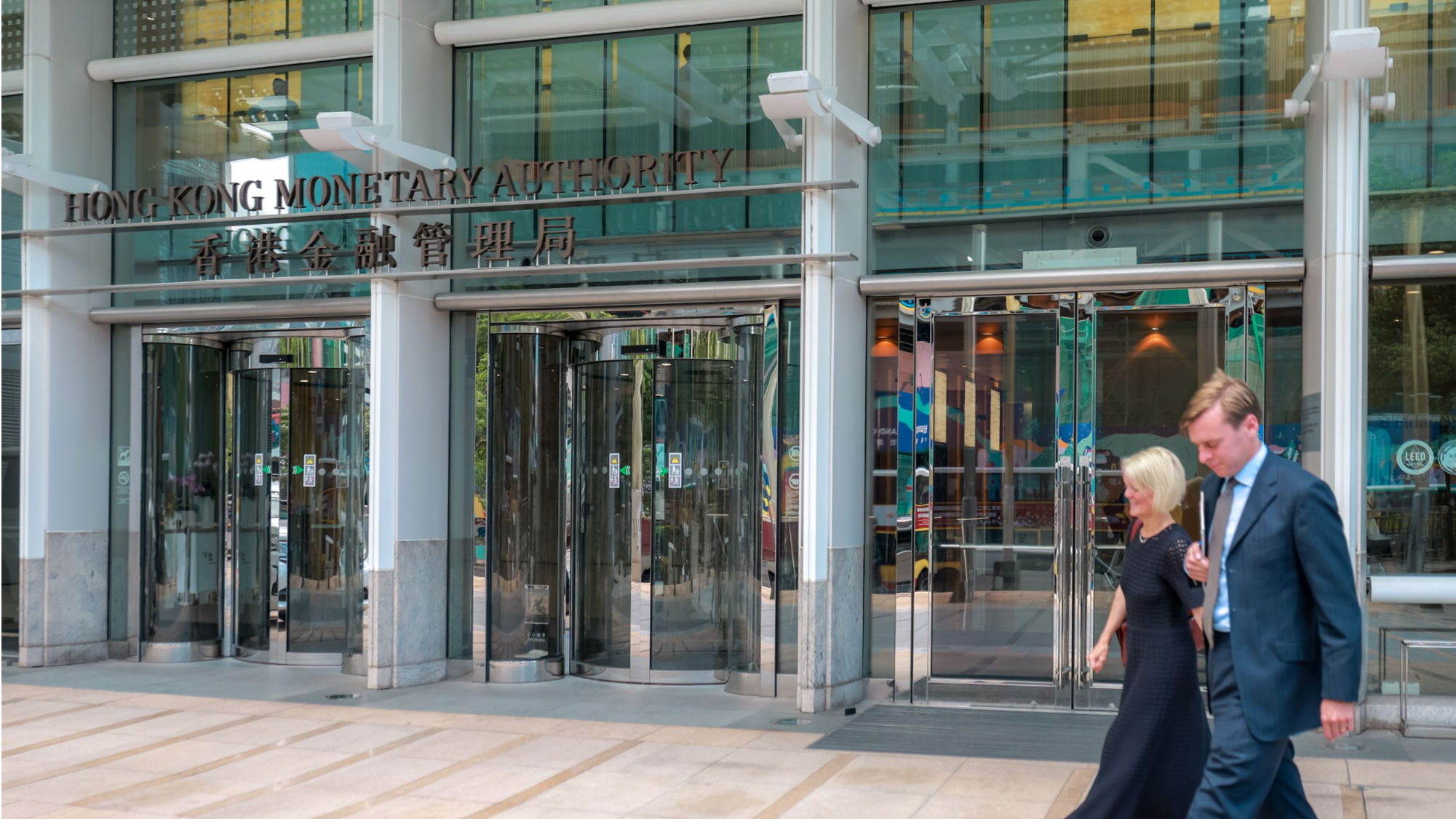
The Hong Kong Monetary Authority said on Monday it has widened the scope of participating banks under the RMB Business Facility (RBF) and doubled its size, as the city ramps up efforts to reinforce its status as the world’s leading offshore renminbi center.
The second phase of the RBF has raised the total quota allocated to participating banks to 100 billion yuan ($14.23 billion), up from 50 billion yuan previously, and expanded the number of eligible lenders to 40.
Coming into effect on Dec 1, phase two has also broadened the scope of eligible renminbi financing activities to include capital expenditure financing and working capital term loans.
ALSO READ: Hong Kong eyes stronger role as offshore RMB center
Under the arrangement, participating banks can draw on renminbi funds from the HKMA within their assigned quota to provide financing to local and overseas corporates in support of the real economy.
The HKMA said quota allocations were determined based on each bank’s existing scale of relevant business, expected pipeline, and the geographical reach of its overseas intragroup banking entities — criteria that reflect their potential to enhance Hong Kong’s capacity in channeling offshore renminbi funds to the global market.
HKMA Chief Executive Eddie Yue Wai-man said the monetary authority will continue to review the RBF’s progress and will consider adding more participating banks subject to actual facility usage and market demand. The goal, he added, is to further “promote the use of renminbi in the real economy and foster the growth of offshore renminbi business in Hong Kong”.
“Such enhancement has been well-received by the banking industry,” the HKMA said. Standard Chartered said the RBF provides banks with a clear and stable channel for renminbi funding, helping to lower financing costs while allowing clients to manage their positions in the Chinese currency with greater efficiency and flexibility.
Since the second phase came into force, the bank has provided more competitively priced offshore renminbi loans to corporates in multiple sectors, such as supply-chain operations and heavy equipment manufacturing. Through its network in the Association of Southeast Asian Nations, Standard Chartered has also provided an offshore renminbi loan to the Singapore unit of a Chinese state-owned enterprise.
The bank added that by leveraging renminbi interbank rates as a pricing benchmark, the second phase has given firms access to funding with greater transparency and predictability.
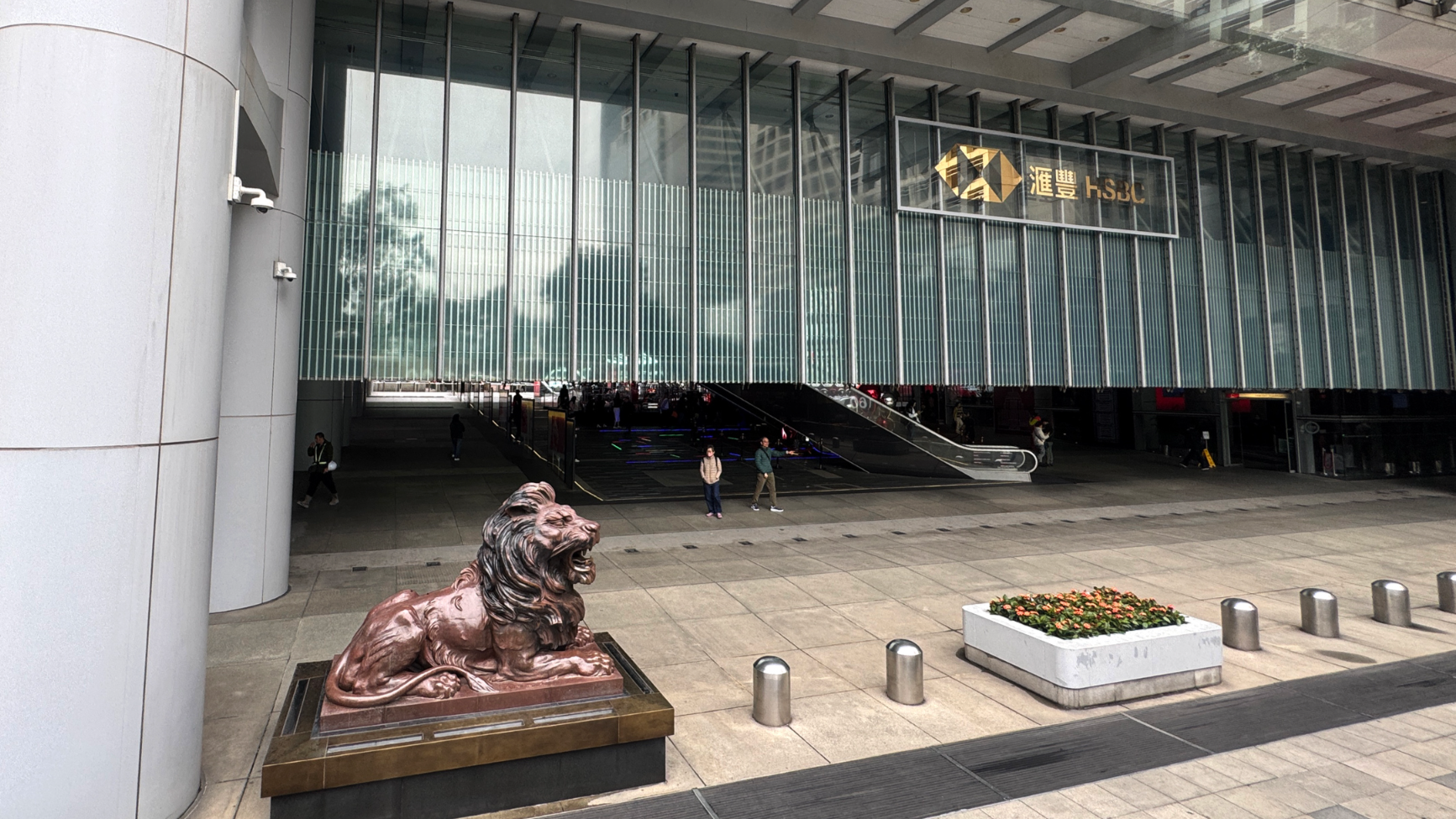
HSBC said it has used its quota to provide a working capital loan worth 1.4 billion yuan to a subsidiary of a mainland listed company with overseas operations.
Hang Seng Bank said it has also completed its first transaction under the facility. The RBF is designed to give banks greater flexibility in managing short-term liquidity while meeting rising demand for renminbi financing, the bank said.
The RBF was first announced on Sept 26 in a bid to expand Hong Kong’s offshore renminbi business and promote the use of the Chinese currency in the real economy. The program is being rolled out in three phases, with the third phase expected to launch in February 2026.
According to the HKMA, the third phase will introduce the Central Moneymarkets Unit’s Triparty Repo Service in support of the repo operations of the RBF, migrating collateral management from manual processing to a more automated solution.
Contact the writer at irisli@chinadailyhk.com
