

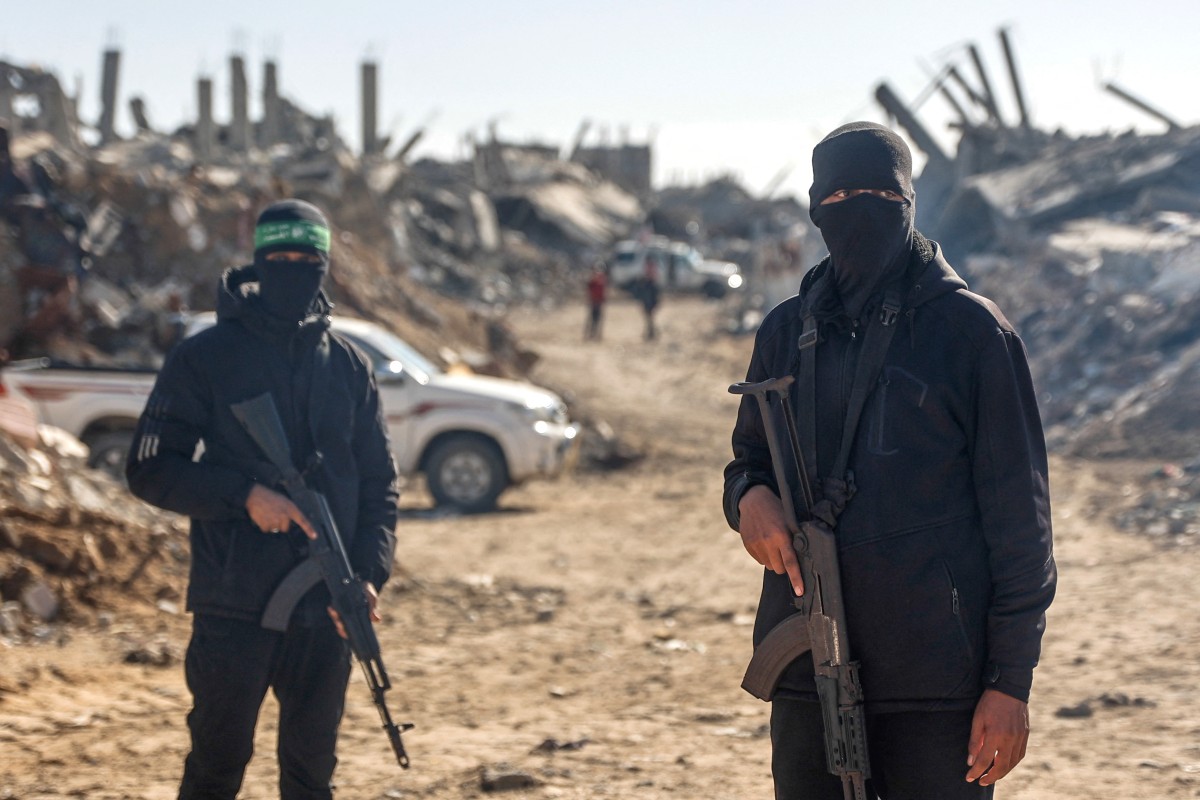
GAZA/JERUSALEM/DOHA - Head of Hamas in the Gaza Strip, Khalil al-Hayya, said on Saturday that the group will give up its weapons "if the (Israeli) occupation ends".
"Our weapon is linked to the presence of the occupation and aggression, and if the occupation ends, this weapon will be handed over to the state," he said during an interview with Al Jazeera.
"Weapons are still under discussion with the factions and mediators, and the agreement is still in its early stages," he added.
During the interview, al-Hayya also mentioned that "new areas will be entered on Sunday to search for some bodies of (Israeli) occupation prisoners."
Regarding the humanitarian situation in Gaza during the ceasefire, which took effect on Oct 10, al-Hayya said that Israel "obstructs the entry of some materials into Gaza as if we are still in the midst of war".
ALSO READ: Israel says it killed Hamas commander trying to flee Rafah tunnel
"We are not satisfied with the amount of aid entering the Gaza Strip and call on mediators to intervene," he said.
Hamas has previously refused to disarm, deeming it a red line, while Israel insists on the disarmament of Hamas and other Palestinian factions in Gaza as a key condition in the second phase of the Gaza ceasefire agreement.
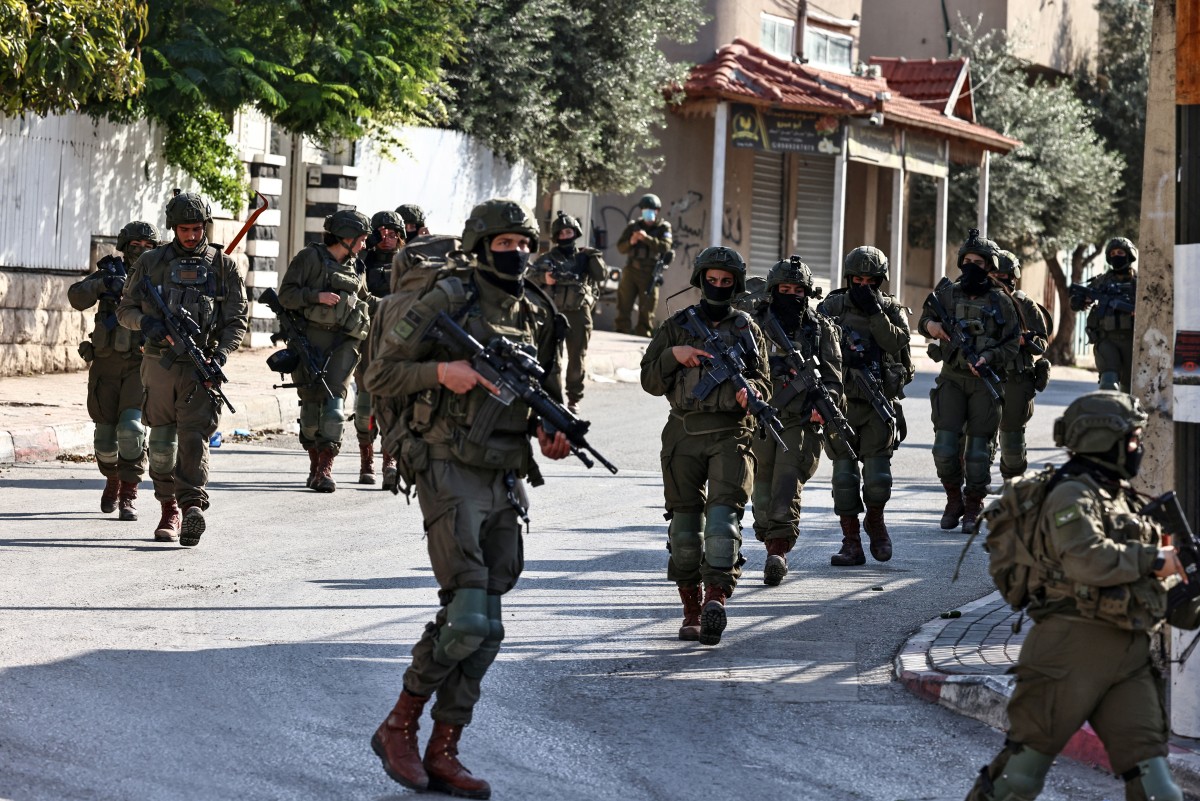
Two Palestinians killed at West Bank checkpoint
Also on Saturday, the Israeli military said its troops shot and killed two Palestinians in the southern West Bank city of Hebron after the pair drove a vehicle toward soldiers at a checkpoint.
In a statement, the Israel Defense Forces said the soldiers opened fire after the vehicle accelerated toward them during an "operational activity". One soldier was slightly injured, according to Israel's Kan public broadcaster, which said the troops were from the 202nd Battalion of the Paratroopers Brigade.
The Palestinian news agency WAFA offered a different account, reporting that Israeli forces fired on a vehicle carrying Palestinian civilians in the Bab al-Zawiya area of central Hebron and then blocked Palestinian Red Crescent ambulances from reaching the scene.
'Ceasefire risks collapse'
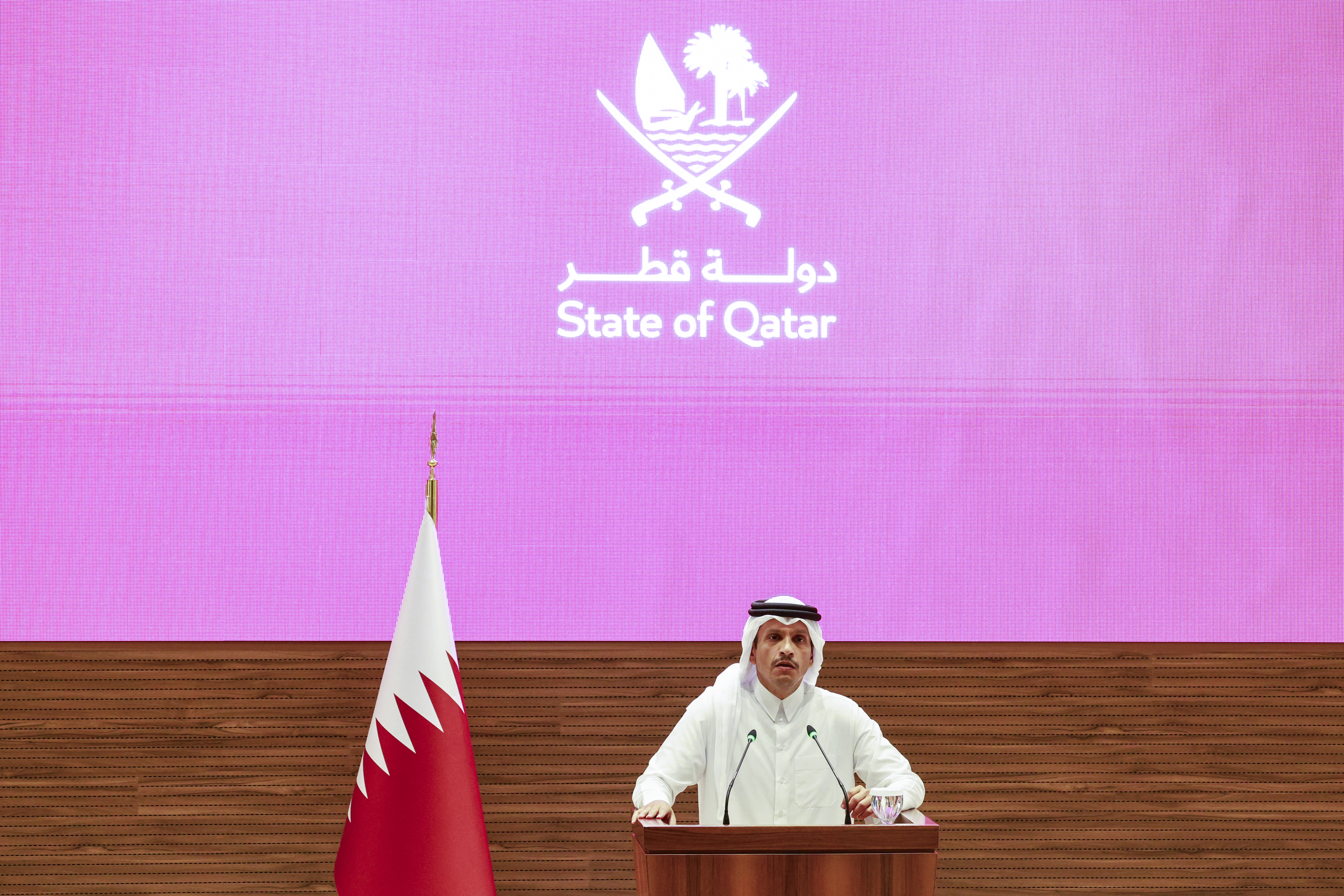
Separately, Qatari Prime Minister Sheikh Mohammed bin Abdulrahman Al Thani warned the Gaza ceasefire has reached a "critical moment" and risks collapse without immediate progress toward a permanent peace deal.
Speaking at the Doha Forum, the prime minister said a lasting truce required a full withdrawal of Israeli forces from Gaza and the restoration of stability and freedom of movement for Palestinians.
The warning highlights the fragility of the agreement brokered by Egypt, Qatar, Turkiye, and the United States. While the truce initially halted fighting, the implementation of its second phase has stalled over key sticking points, including the disarmament of Hamas.
Under a plan endorsed by the United Nations in November, Israel is to withdraw from its positions while Gaza is administered by a transitional governing body known as the "Board of Peace". The plan also calls for the deployment of an international stabilization force.
READ MORE: Gaza violence continues as Israel disputes earlier remains handover
However, the makeup of that body remains uncertain. While US President Donald Trump would theoretically chair the board, the identities of other members have not been announced. Furthermore, reports indicate that Arab and Muslim nations have expressed hesitation about the stabilization force, fearing it could lead to involvement in combat with Palestinian militants.
